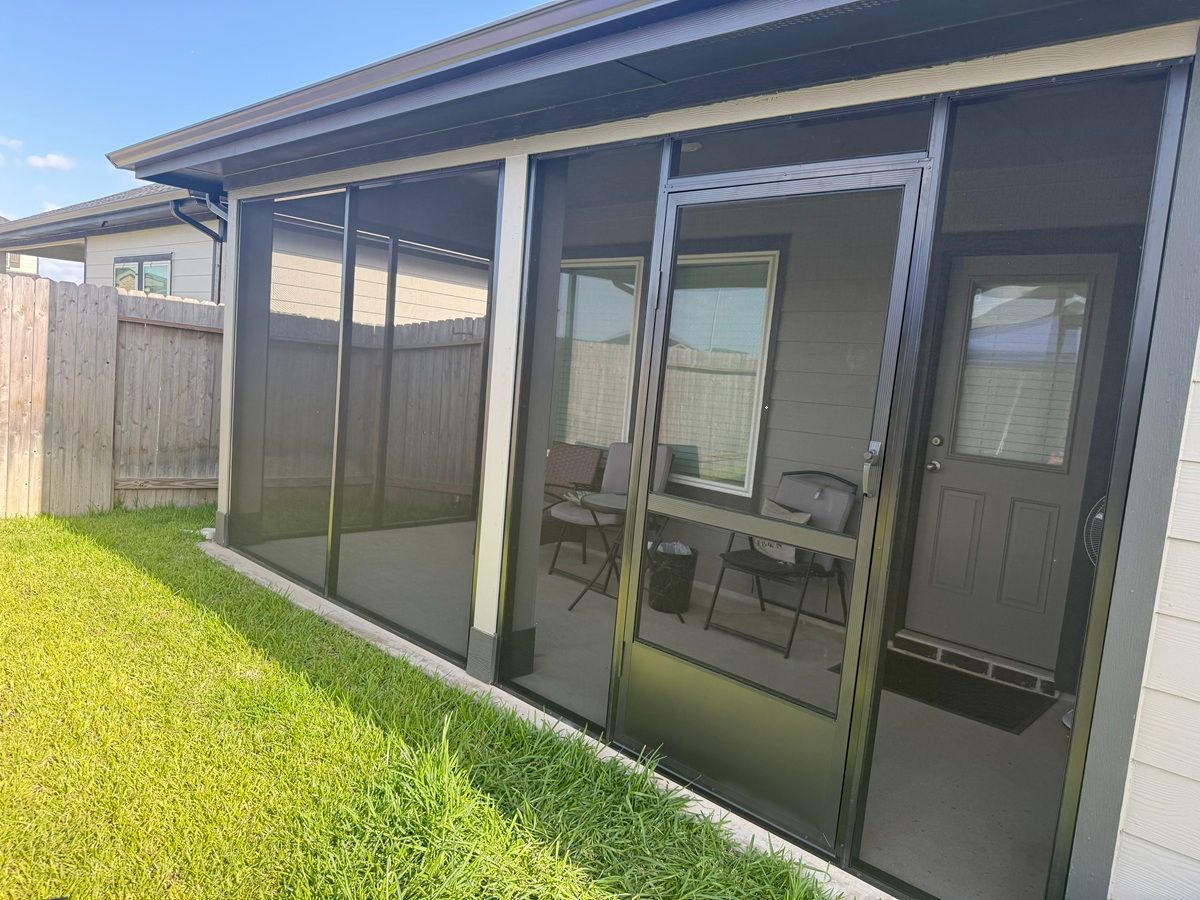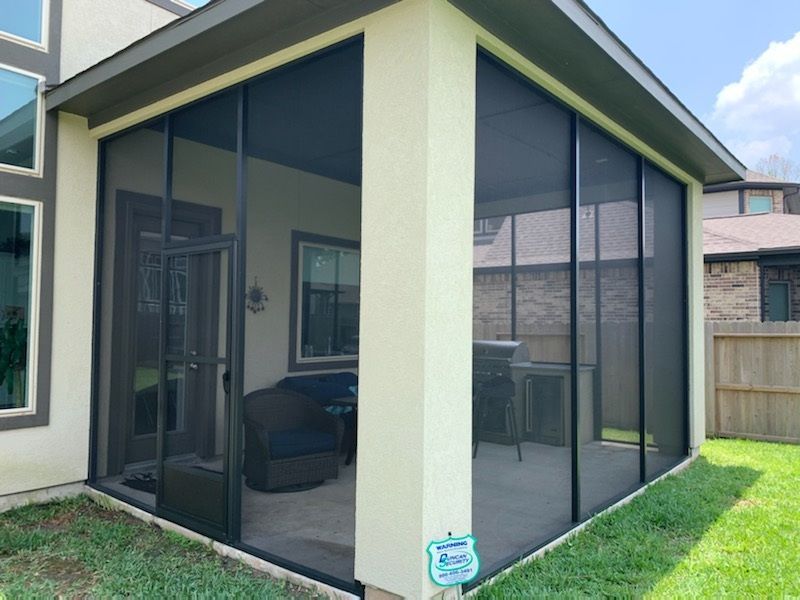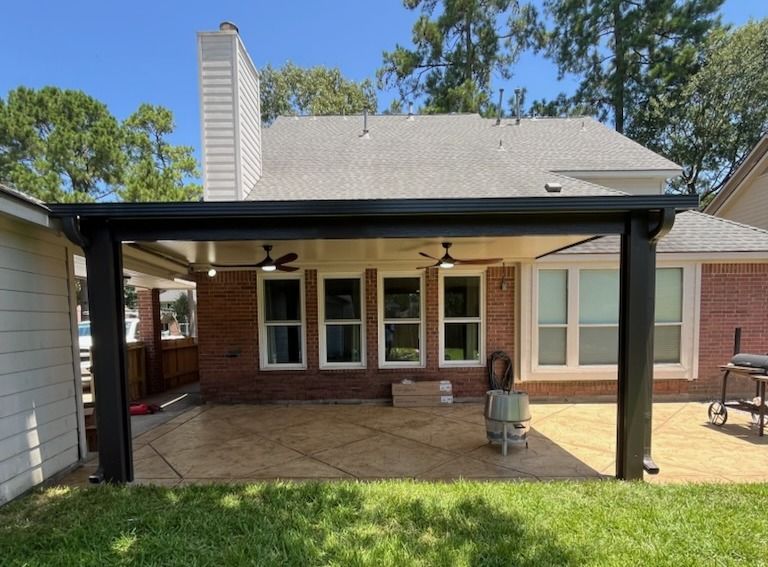
Attached vs Freestanding Patio Covers: Which Is Right for Your Houston Home?
Get a Free Quote
Choosing between an attached and freestanding patio cover in Houston is one of the first decisions homeowners face when planning an outdoor living upgrade. Both options offer shade, comfort, and protection from the Gulf Coast climate — but they serve different purposes, work better in different yard layouts, and come with unique HOA and structural considerations.
Here’s a clear, Houston‑specific breakdown to help you choose the right style for your home.
1. What Is an Attached Patio Cover?
An attached patio cover connects directly to your home’s structure, creating a seamless extension of your roofline. It’s the most common style in Houston because it blends beautifully with existing architecture and maximizes usable space.
Best Features
- Seamless connection to the home
- Excellent for outdoor kitchens and dining areas
- Strong structural support
- HOA‑friendly
- Ideal for ceiling fans, lighting, and electrical upgrades
Explore attached aluminum options here:
Best for Houston Homes With:
- Back patios directly off the living room or kitchen
- Covered walkways
- Outdoor kitchens
- South‑ or west‑facing patios needing maximum shade
Attached covers are the go‑to choice when you want your patio to feel like a natural extension of your home.
2. What Is a Freestanding Patio Cover?
A freestanding patio cover is built away from the home, supported by its own posts and beams. It creates a separate outdoor space — perfect for large backyards or areas where attaching to the home isn’t possible.
Best Features
- Flexible placement anywhere in the yard
- Great for poolside shade
- Works well with pergolas or hybrid designs
- No need to modify the home’s structure
- Ideal for creating a second outdoor “room”
Best for Houston Homes With:
- Large open yards
- Poolside seating areas
- Detached outdoor kitchens
- Garden or courtyard spaces
Freestanding covers give you design freedom without relying on the home’s roofline.
3. Weather Performance: Houston’s Climate Favors Aluminum
Whether attached or freestanding, aluminum performs better than wood in Houston’s heat and humidity.
Why Aluminum Wins
- Won’t rot, warp, or swell
- Termite‑proof
- Low maintenance
- Reflects heat
- Withstands heavy rain and storms
4. HOA Considerations in Houston
Most HOAs in the Houston area approve both attached and freestanding covers — but attached covers typically face fewer restrictions.
Attached Covers
- Usually easier to approve
- Match home architecture
- Blend into the roofline
Freestanding Covers
- May require additional drawings
- Must meet setback requirements
- Often need specific placement approval
5. Electrical Upgrades: Attached Covers Have the Advantage
If you want:
- Ceiling fans
- Recessed lighting
- Pendant lights
- Outdoor heaters
- Outlets
…an attached patio cover is usually the better choice because wiring can be run directly from the home.
Freestanding covers can support electrical upgrades too, but they require additional trenching and conduit.
6. Cost Differences
Attached Patio Covers
- Typically more cost‑effective patio cover option
- Use the home’s structure for support
- Require fewer posts
Freestanding Patio Covers
- Slightly higher cost
- Require full structural framing
- More flexibility in placement
7. Which One Should You Choose?
Here’s the quick breakdown:
Choose an Attached Patio Cover If You Want:
- A seamless extension of your home
- Maximum shade and comfort
- Electrical upgrades
- HOA‑friendly design
- A cost‑efficient structure
Choose a Freestanding Patio Cover If You Want:
- A shaded area anywhere in the yard
- Poolside coverage
- A detached outdoor living space
- A garden or courtyard feature
- A second outdoor “room”
Both options work beautifully with aluminum — the best material for Houston’s climate.
Final Thoughts
Choosing between an attached or freestanding design ultimately depends on how you plan to use your outdoor space and the layout of your backyard. Whether you prefer the seamless integration of an attached aluminum patio cover that feels like a natural part of your home, or the design flexibility of a freestanding structure by the pool, Lone Star Patio Builders has the expertise to bring your vision to life. As a dedicated Houston patio cover company, we help you navigate everything from HOA approvals to custom electrical upgrades. Ready to transform your backyard? Contact us today to schedule your free, no-obligation consultation and take the first step toward your dream outdoor living space.
About the Author
Brian Sonnier
Brian is the founder of Lone Star Patio Builders, where he has spent years helping Houston homeowners transform their backyards into functional, beautiful outdoor living spaces. An expert in outdoor construction and local building trends, Brian specializes in designing custom patio covers, pergolas, and screen rooms built to withstand the unique Texas climate.
Ready to Build Your Dream Patio?
Call
(281) 773-1255 or request a free quote online. We’ll schedule a no-obligation consultation at your home and walk you through every step — from design to final inspection.
Contact Us
You might also like