Attached vs Freestanding Pergolas: Which Is Right for Your Houston Home?
Get a Free Quote
Pergolas are one of the most popular outdoor upgrades for Houston homeowners, but choosing between an attached pergola and a freestanding pergola in Houston can be surprisingly difficult. Each style offers unique benefits depending on your home layout, shade needs, and long‑term plans for your outdoor space.
This guide breaks down the differences so you can choose the best option for your backyard.
What Is an Attached Pergola?
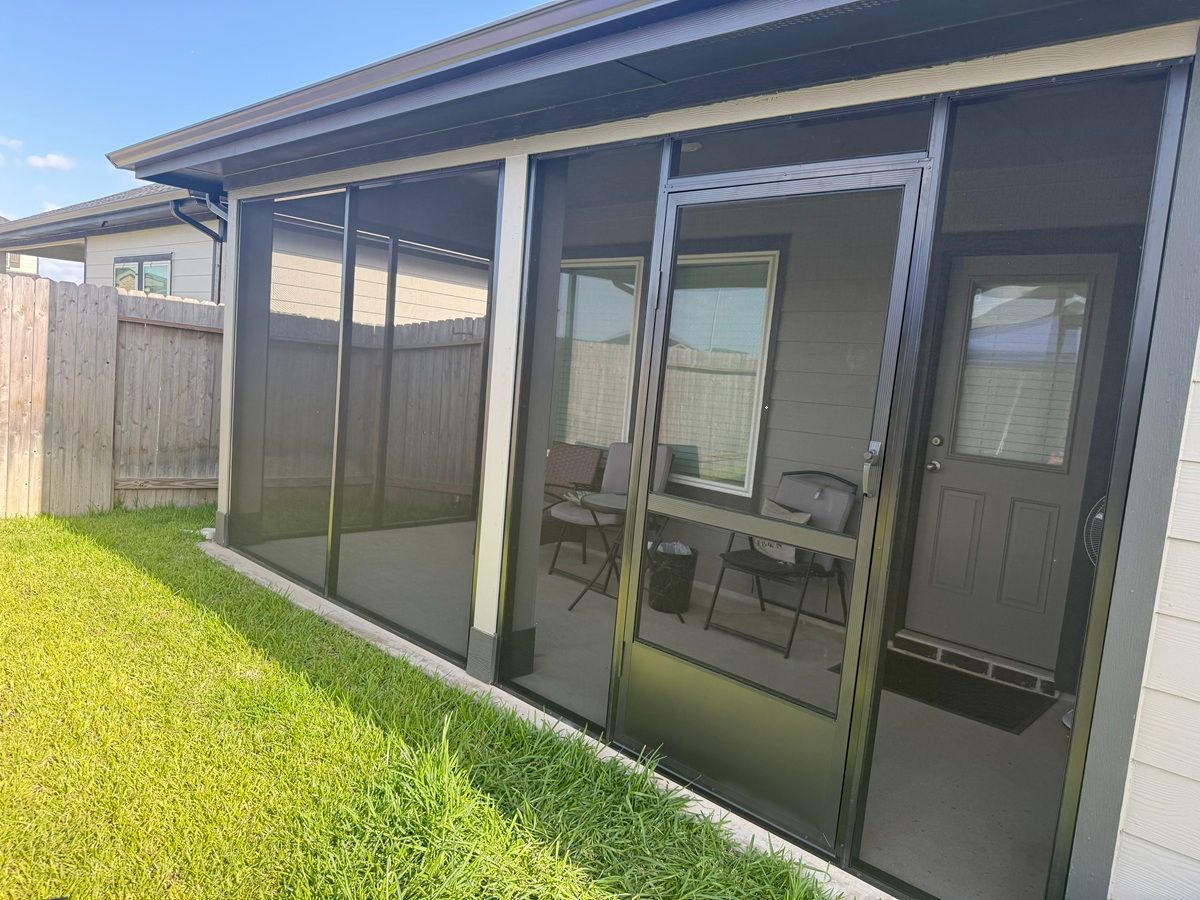
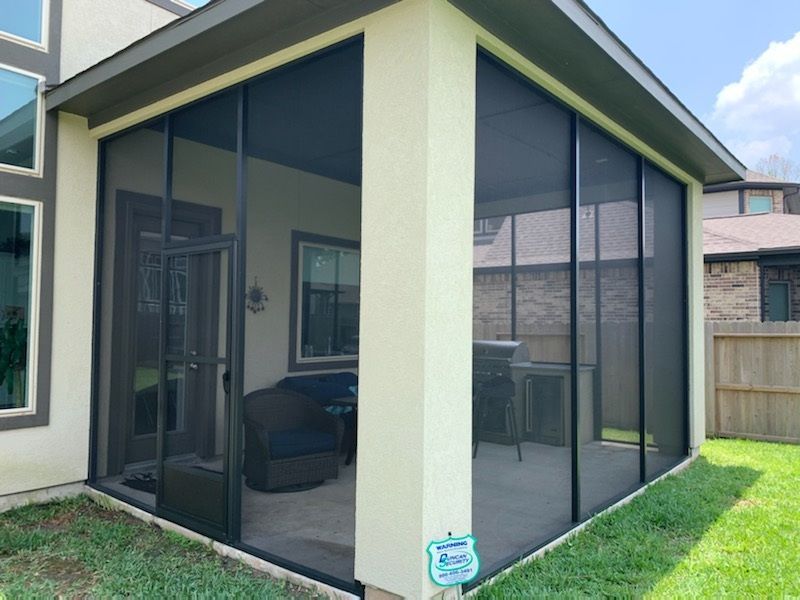
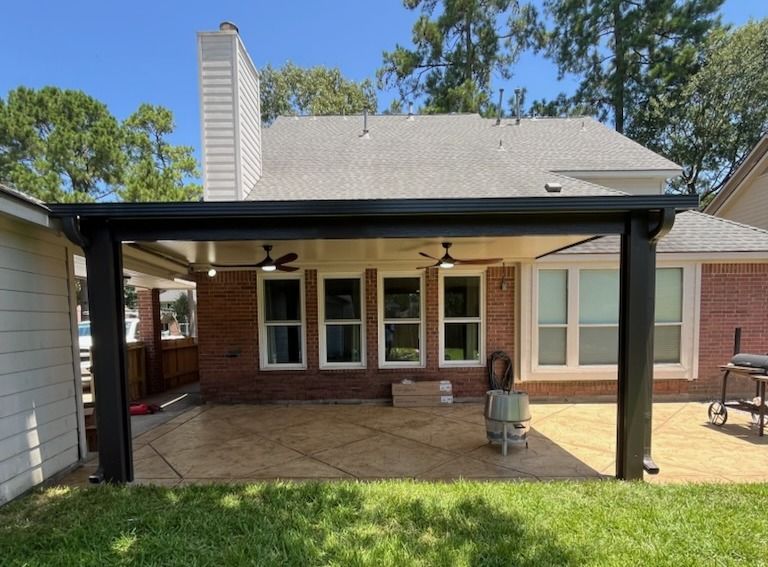
An attached pergola connects directly to your home’s exterior wall, creating a seamless extension of your patio or outdoor living area.
Benefits of Attached Pergolas
1. Seamless Integration With Your Home
Attached pergolas feel like a natural extension of your patio, making them ideal for covered seating areas or outdoor kitchens.
2. Better Shade and Weather Protection
Because they tie into the home, attached pergolas often provide more consistent shade and can be paired with custom patio covers if you want even more protection from Houston’s sun and rain.
3. Strong Structural Support
The home’s wall provides stability, which is especially helpful during Houston’s storm season.
4. HOA‑Friendly Designs
Many Houston‑area HOAs prefer attached structures because they blend cleanly with the home’s architecture.
What Is a Freestanding Pergola?
A freestanding pergola stands independently anywhere in your yard—near a pool, garden, outdoor kitchen, or open patio.
Benefits of Freestanding Pergolas
1. Maximum Placement Flexibility
You can position a freestanding pergola anywhere—perfect for large backyards or homes without a suitable attachment point.
2. Ideal for Poolside or Garden Areas
Freestanding pergolas create beautiful shade structures away from the home.
3. No Structural Tie‑In Required
If your home’s exterior isn’t ideal for mounting (brick, stucco, or limited fascia), a freestanding pergola avoids those challenges.
4. Great for Multi‑Zone Outdoor Living
You can create a second seating area, dining space, or outdoor lounge separate from your main patio.
Which Pergola Style Is Best for Houston?
For Houston homeowners, both styles work beautifully, but the right choice depends on your goals:
Choose an attached pergola if you want:
- A seamless patio extension
- Strong shade near the home
- A structure that pairs well with aluminum pergolas
- A design that’s HOA‑friendly
Choose a freestanding pergola if you want:
- Shade away from the house
- A poolside or garden structure
- A flexible layout
- A second outdoor living zone
Material Matters: Aluminum Performs Best in Houston
Whether attached or freestanding, aluminum pergolas outperform wood in Houston’s climate. They resist:
- Humidity
- Termites
- Warping
- Rot
- UV fading
Learn more about your options on our Houston pergolas page. For a detailed breakdown of how these materials compare, read our guide on Aluminum vs Cedar Pergolas.
Do you build pergolas outside of Houston?
Yes! While we are headquartered in Houston, we also provide custom instllations throughour Harris, Fort Bend, and Montgomery counties. Our team is familiar with the specific HOA requirements in these surrounding communities.
Ready to Build Your Pergola?
Whether you prefer an attached or freestanding design, we build custom aluminum pergolas engineered for Houston’s heat, humidity, and year‑round weather. Not sure which design fits your backyard best? Request a free quote today and our team will help you design the perfect outdoor space.
About the Author
Brian Sonnier
Brian is the founder of Lone Star Patio Builders, where he has spent years helping Houston homeowners transform their backyards into functional, beautiful outdoor living spaces. An expert in outdoor construction and local building trends, Brian specializes in designing custom patio covers, engineered pergolas, and bug-free screened porches built to withstand the unique Texas climate.
Ready to Build Your Dream Patio?
Call
(281) 773-1255 or request a free quote online. We’ll schedule a no-obligation consultation at your home and walk you through every step — from design to final inspection.
Contact Us
You might also like